Cabin backpack: How to choose the ideal piece of luggage
Choosing the right backpack or carry-on bag can make all the difference between a smooth, stress-free trip and a frantic race against the clock at the gate. With strict airline restrictions, limited cabin space, and the desire to travel light and comfortably, selecting the right carry-on luggage is essential for both frequent and occasional travelers. Entrust your blog posts to Océane, our passionate SEO writer!
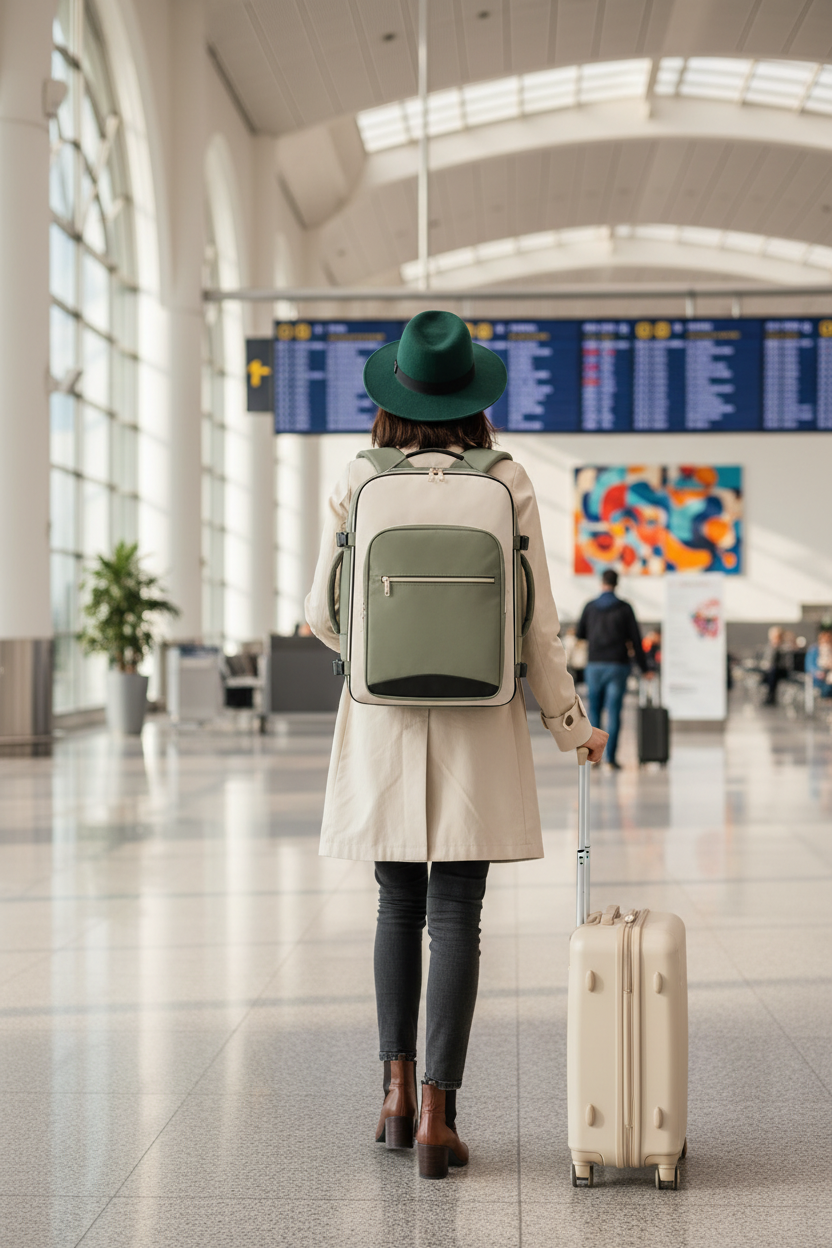
For travelers who regularly fly with airlines like Ryanair , Wizz Air , EasyJet , or Transavia , choosing a cabin bag is no longer just about comfort: it's a practical, economical, and strategic decision. A well-chosen carry-on bag helps avoid extra fees, speeds up security checks, and keeps essentials close at hand throughout the journey.
Why choosing the right cabin baggage is important
Airlines have restrictions on carry-on baggage to ensure safety and efficiency during boarding. Dimensions, weight limits, and permitted items vary by airline, and non-compliant baggage may be checked at the gate, sometimes with hefty fees. Knowing your airline's rules reduces stress, avoids extra charges, and allows you to board faster and with peace of mind.
Low-cost airlines like Ryanair and Wizz Air have particularly strict policies regarding cabin baggage. Ryanair's cabin baggage rules have changed several times in recent years and often include limits on the size and number of free items allowed, as well as specific allowances for under-seat luggage. Wizz Air's cabin baggage allowances also differentiate between standard and priority boarding, which determines which cabin bags are allowed free of charge.
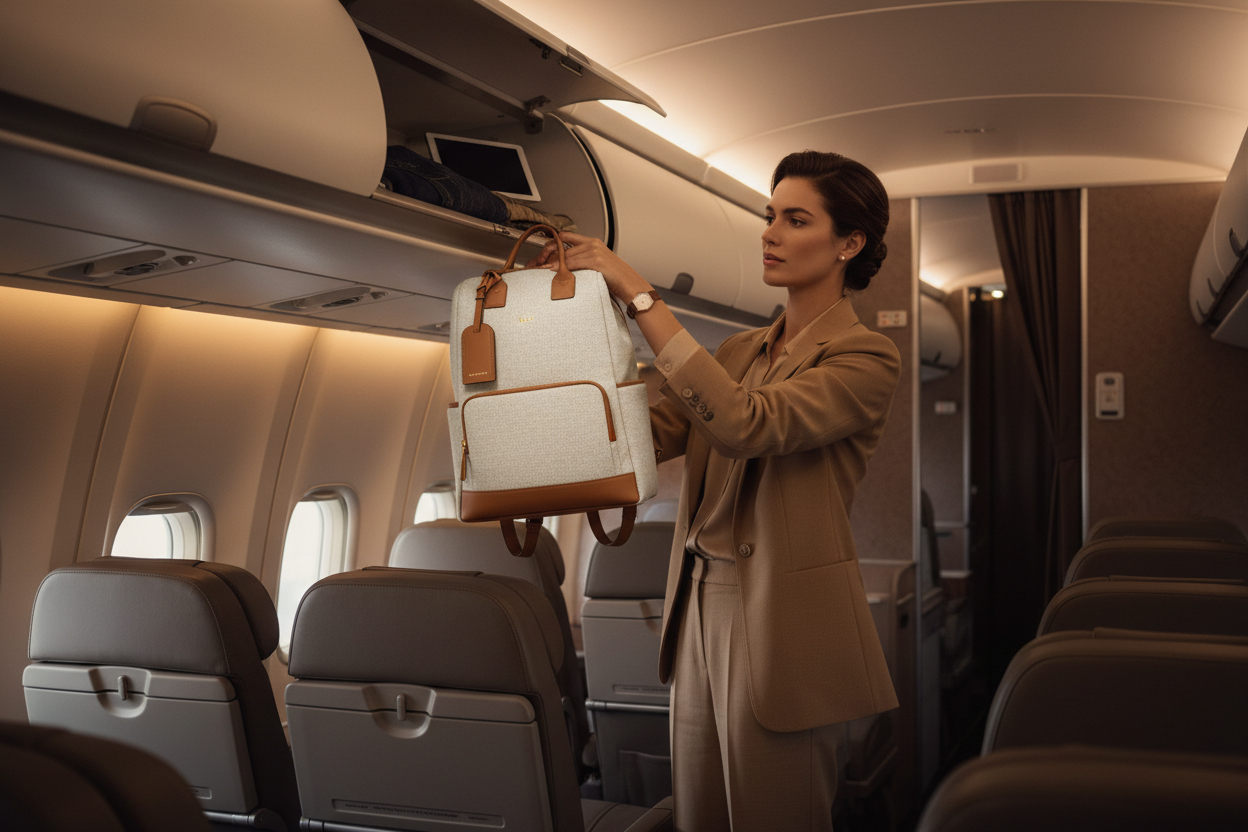
The principle of free cabin baggage is simple: airlines generally allow you to bring at least one small personal item, a bag to place under the seat, free of charge, while any larger cabin baggage may incur a fee, unless you have purchased a ticket with a priority option that includes free cabin baggage. Choosing the right cabin backpack that complies with these rules allows travelers to avoid unpleasant surprises and travel lighter.
Cabin baggage dimensions vary by airline.
Before choosing a cabin backpack, it's helpful to quickly compare the dimensions generally used by the most common airlines in the European market. This will help you choose a truly versatile size.
| Company | Free cabin baggage | Location |
|---|---|---|
| Ryanair | 40 × 20 × 25 cm | Under the seat |
| Wizz Air | 40 × 30 × 20 cm | Under the seat |
| EasyJet | 45 × 36 × 20 cm | Under the seat |
| Transavia | 40 × 30 × 20 cm | Under the seat |
For this reason, a size similar to an under-seat carry-on bag often remains the most cost-effective option for travelers looking to avoid fees. If you're looking for a model designed for this purpose, a product like SkyVault™ fits perfectly into this logic of optimized cabin travel.
What are the different types of cabin baggage?
Cabin baggage comes in several convenient forms. Choose the type that best suits your travel style, the length of your stay, and the airline's rules.
-
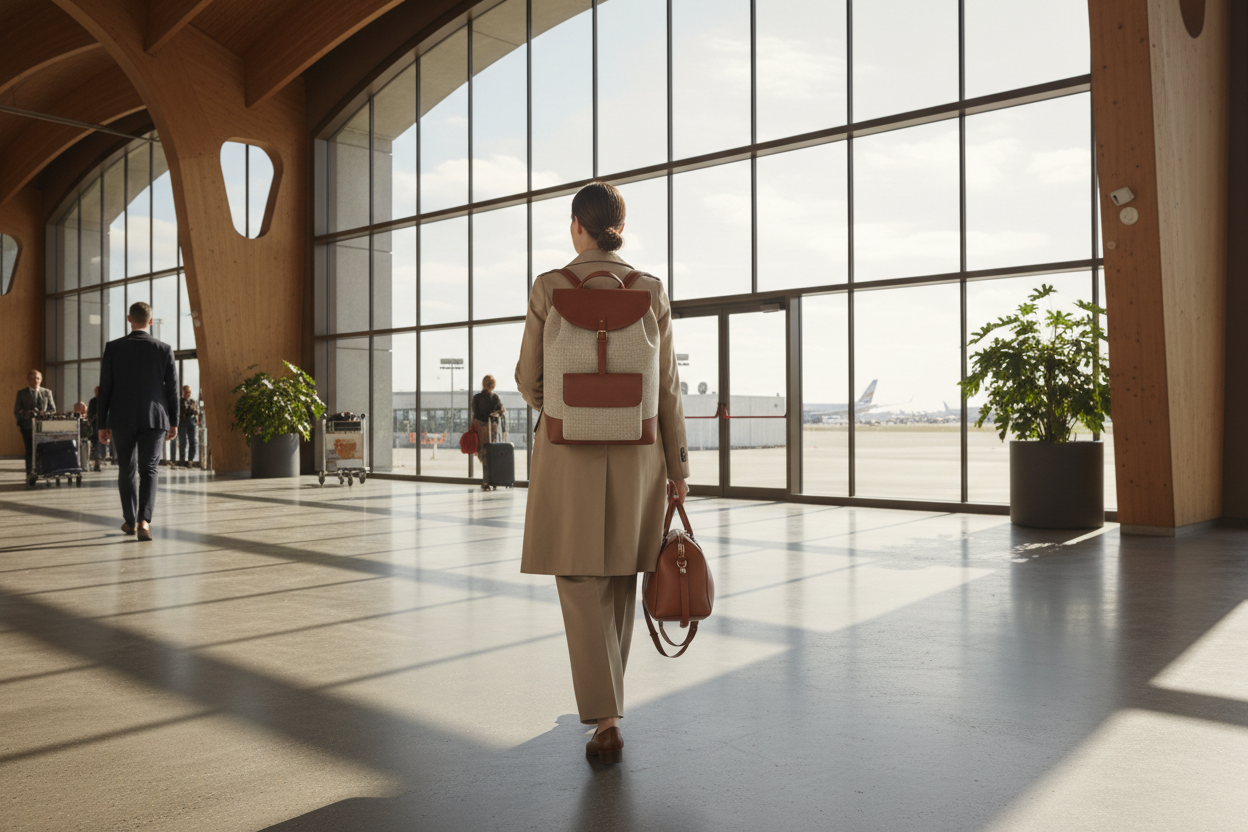
Cabin backpack
- Designed for mobility and comfort.
- It is often stored under the seat or in luggage compartments.
- Ideal for multi-destination travel and urban adventures.
-
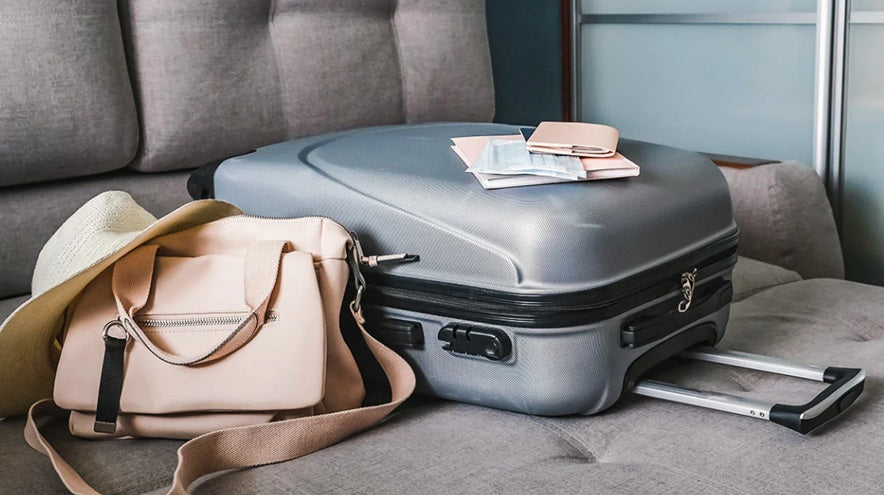
Travel bag / cabin baggage (duffel bag)
- Its flexible shape allows it to fit into small spaces.
- Lightweight and often foldable.
- Perfect for weekends and sports equipment.
-
Cabin suitcase
- Enhanced protection for fragile items.
- Wheels for easier movement in airports.
- Ideal for business travelers and people carrying dress clothes.
In the spirit of light travel, the cabin-sized backpack often remains the most flexible compromise between mobility, usable capacity, and ease of packing. It's also the most relevant category for travelers who want to make the most of their free carry-on baggage .
Cabin backpack vs. cabin suitcase: advantages and disadvantages
| Kind | Benefits | Disadvantages | Ideal use |
|---|---|---|---|
| Cabin backpack | Comfortable to wear, flexible storage, fits under the seat or in the luggage compartment, frees up hands while traveling. | Less structured protection for fragile objects; can be tiring for long walks if it is heavy. | Ideal for short breaks, hiking, multi-stop trips, and for travelers who prioritize mobility. |
| Cabin suitcase | Better protection, the wheels reduce fatigue, neat storage for work clothes. | More cumbersome, less flexible dimensions, more difficult to maneuver on stairs or crowded streets. | Ideal for business trips, short breaks, and for travelers carrying fragile items or formal wear. |
| Cabin travel bag | Lightweight, compressible, easy to store. | Less structure and organization; can be cumbersome when full. | Ideal for weekends, sports equipment and light travel. |
When to choose a cabin-sized backpack for an airplane
The cabin-sized backpack is particularly suitable for many travel situations. It's not just practical for young travelers or city breaks; it often becomes the best solution whenever mobility is as important as capacity.
- weekend or city trip of 2 to 3 days;
- A journey with several stages and frequent travel;
- low-cost airlines with limited cabin baggage ;
- urban travel involving a lot of walking;
- minimalist travel or cabin baggage only.
Thanks to their flexibility and lightness, cabin bags often adapt better to airline restrictions than small, rigid suitcases. For more technical use or intensive travel, the travel backpack collection offers a range of complementary options.
Why vacuum compression backpacks are the ideal solution
Vacuum compression backpacks address three key issues related to carry-on luggage: compressing clothes, saving space, and organizing essentials. By removing excess air from soft-sided items, vacuum compression reduces their volume without limiting your clothing choices. This is especially practical for travelers who need to pack multiple outfits or bulky garments while adhering to airline size restrictions.
Compression also makes organization easier: dedicated compartments keep clothes compressed and separate from electronics or toiletries, speeding up security checks and boarding. For example, the CabinVac ™ backpack uses a vacuum system designed to fit most cabin dimensions while maximizing available space.
For long trips or travelers who alternate between business and casual attire, the AirPress™ vacuum compression travel backpack offers specialized compartments for suits and shoes, while compressing casual clothes into compact pockets. AirPress™ vacuum compression travel backpack
If you're looking for a balance of ventilation, cushioning, and compression, the AirVault™ travel backpack combines protective padding for your electronics with vacuum-compressed pockets for your clothes, making it an excellent choice for carry-on conscious travelers. AirVault™ Travel Backpack
How to optimize your cabin baggage
Packing well is primarily a matter of strategy, not just buying the biggest bag. Follow these practical tips to make the most of your backpack or carry-on suitcase:
- Roll your clothes: Rolling your clothes reduces wrinkles and saves space compared to folding them flat. For fragile items, roll them in tissue paper or use a compression bag.
- Use packing cubes: packing cubes allow you to separate your clothes, electronics, and toiletries. This way, you can take one out without emptying your entire bag. They also help you maintain balance by centralizing the weight.
- Wear your heaviest clothes: wear your heaviest shoes and jacket on travel days to save cabin space and stay warm on cold flights.
- Optimize your compartments: use the exterior pockets for your travel documents, flight essentials, and items you need to remove for security checks. Keep your liquids in a clear bag near the top for quick access.
- Limit liquids and toiletries: respect the 100ml rule for liquids in the cabin and transfer your toiletries into travel containers or solid alternatives to save space and weight.
- Opt for multifunctional items: pack clothes that are easy to match and choose versatile shoes.
- Use compression: backpacks or vacuum compression bags allow you to significantly reduce the volume of your belongings while keeping them organized and accessible.
- Know the dimensions allowed by the airlines: carefully check the dimensions of Ryanair and Wizz Air cabin baggage before departure; any error may result in additional charges or mandatory check-in.
For more detailed advice, packing lists and examples tailored to different trip durations and destinations, see our guide on packing your luggage: Packing Your Travel Luggage .
Common mistakes with cabin baggage
-
Choosing a bag that's too rigid
Rigid bags do not fit well with the cabin baggage sizes used during boarding. -
Ignore cabin dimensions
Each airline has its own rules regarding cabin baggage. -
Poorly organized bag
A poorly organized bag wastes a lot of space and slows down security checks. -
Fill the bag to the brim
An overinflated bag can exceed the permitted dimensions even if it looked correct when empty.
Useful articles for preparing your cabin baggage
- Ryanair cabin bag 40x20x25: dimensions and advice
- Comparison of compression travel bags
- How to pack your travel luggage
Airline cabin baggage: understanding airline rules
Before choosing a cabin-sized backpack for an airplane , it's essential to understand airline regulations. Cabin baggage dimensions vary depending on the carrier and the type of ticket purchased.
Low-cost airlines such as Ryanair , Wizz Air or EasyJet apply specific policies regarding free cabin baggage and cabin bag under seat .
In most cases, passengers can bring one small personal item under the seat free of charge. This carry-on bag must meet specific size requirements to comply with boarding security checks.
Cabin baggage dimensions vary by airline.
The permitted dimensions for carry-on baggage vary slightly between airlines. Here are the most common sizes for free baggage placed under the seat.
| Company | Free cabin baggage size | Investment |
|---|---|---|
| Ryanair | 40 × 20 × 25 cm | Under the seat |
| Wizz Air | 40 × 30 × 20 cm | Under the seat |
| EasyJet | 45 × 36 × 20 cm | Under the seat |
| Transavia | 40 × 30 × 20 cm | Under the seat |
Place the bulkiest items of clothing at the bottom of the bag and use compression to reduce the air between the garments. This technique can increase the actual capacity of a carry-on bag by 20 to 30%.
Useful articles for preparing your cabin baggage
To further optimize your cabin baggage, also consult these additional guides.
- Comparison of compression travel bags
- How to pack your travel luggage efficiently
- Discover the compression travel backpack collection
Final advice
Whether you choose a cabin backpack, an under-seat bag, or a compact cabin suitcase, the best cabin bag is one that complies with your airline's rules and suits your travel habits. For frequent flyers on low-cost carriers like Ryanair or Wizz Air, opt for slim, well-structured backpacks that fit under the seat or meet cabin size requirements. For business travelers, a small cabin suitcase or a structured cabin backpack with a dedicated laptop compartment will protect your essentials.
Investing in a vacuum compression backpack can transform your packing capacity without exceeding size limits, allowing you to travel lighter and less stressfully. Explore the CabinVac™, AirPress™, and AirVault™ models to find the perfect one for your next trip.